

















































Best Camping Equipment for UK Weather 2026 Guide
Equipment Outdoors2026-04-01T18:24:29+00:00Your experience driven guide to staying dry, warm and comfortable in Britain’s unpredictable outdoors.
Camping in the UK is one of the most rewarding ways to explore the outdoors. From remote Scottish lochs to coastal paths in Cornwall and peaceful woodland sites in the Lake District, the scenery is world class. But the weather has a personality of its own.
UK weather is rarely extreme, but it is unpredictable. Sunshine, steady rain, gusty winds and cool nights can all arrive within a single day. The key isn’t chasing perfect forecasts; it’s building a reliable system that keeps you comfortable whatever comes your way. This guide is based on real world experience of camping through damp air, long rain, soft ground and the occasional overnight gale. Choose your gear wisely, and the weather becomes part of the adventure rather than something to endure.
Quick Answer: What Camping Gear Do I Need for UK Weather?
Before we go into detail, here are the essentials at a glance:
• A wind stable 3 season tent with strong waterproofing
• A footprint or groundsheet protector
• Spare pegs and additional guylines
• A sleeping bag chosen by comfort rating, not just season label
• An insulated sleeping mat
• A quality waterproof jacket and trousers
• Quick drying base layers
• Waterproof storage such as dry bags
• A reliable camping stove
• A headtorch with backup power
• Warm hat and gloves, even in summer
Why UK Weather Needs a Different Approach
Anyone who’s camped in the UK knows how quickly conditions can shift, especially on higher ground or along the coast. Your gear has to cope with those changes.
The real challenge isn’t usually extremes of heat or cold – it’s moisture. Long spells of rain, humid air that encourages condensation, cool nights that feel colder than the thermometer suggests, and soft ground that turns muddy after only a few hours can all chip away at your comfort.
Wet clothing, damp sleeping bags and condensation inside the tent are what catch people out. Once you understand that, the principles behind UK ready camping gear become much clearer: you’re building a system that manages water, maintains warmth and stays stable when the wind picks up.
1. Choosing a Tent That Works in UK Conditions
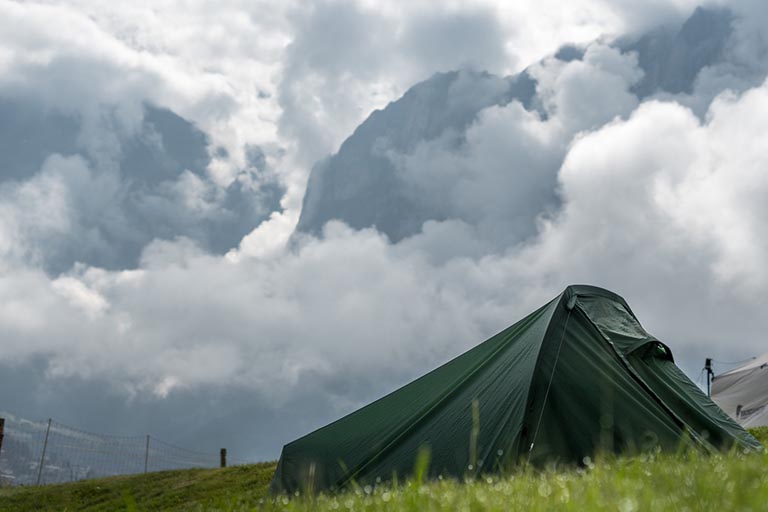
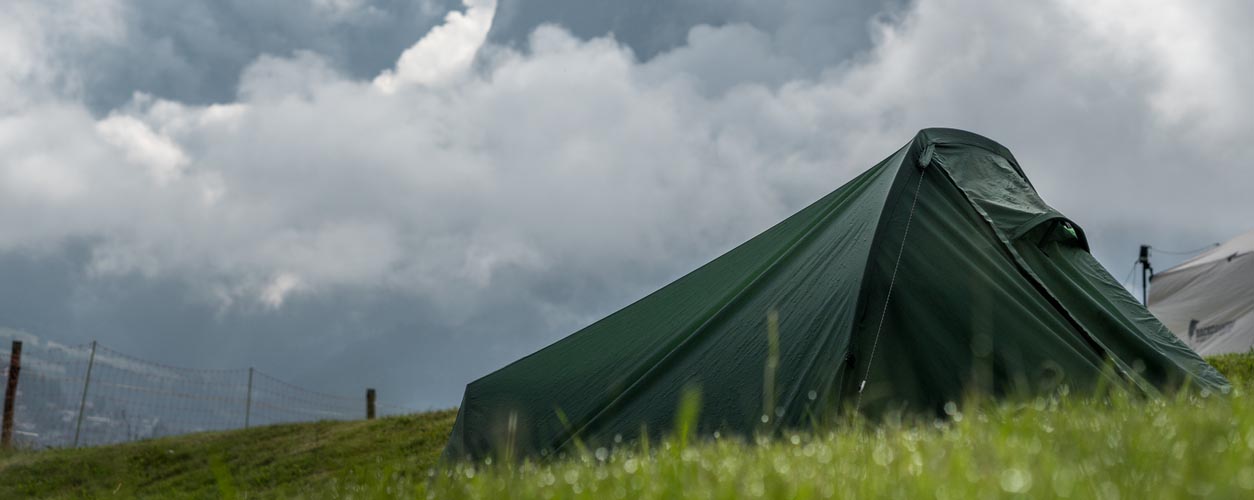
Your tent is your shelter and your protection from the weather. In the UK, a wind stable tent is just as important as a waterproof one. On exposed hillsides or coastal paths, gusts can arrive suddenly, so a tent with a stable structure and strong poles makes a noticeable difference. Geodesic and semi geodesic designs naturally resist side winds, whilst tunnel tents perform brilliantly when pitched nose to wind.
Waterproofing should be suited to UK conditions and the time of year. A flysheet around 3000mm with a 5000mm groundsheet is ideal for long, steady rain in summer, whilst winter conditions may benefit from something closer to a 5000mm flysheet and a 10,000mm groundsheet. Seam taping and fabric quality matter just as much as the numbers.
Condensation is normal in UK tents – warm air inside meets the colder flysheet, which forms moisture. You can’t eliminate this entirely, but you can manage it with good ventilation, a breathable inner and a porch where wet gear can stay out of the sleeping area. A tent that pitches outer first or all in one is also a huge advantage when you’re setting up in the rain.
It’s also worth carrying a footprint, along with a few spare pegs and guylines. Soft ground is common in the UK, and having stronger pegs than the ones supplied can make a big difference on windy nights.
2. A Sleep System Built for Damp, Cool Nights
A warm night’s sleep depends on more than your sleeping bag. In the UK, the ground itself is often the biggest source of heat loss. Cold, damp soil pulls warmth from your body surprisingly quickly, so an insulated sleeping mat is essential. For summer, an R value around 2-3 works well; for spring, autumn or exposed locations, something in the 3-4+ range is far more comfortable.
Sleeping bags should be chosen by comfort rating, not just their season labels. UK nights frequently drop into single digits, even in summer, and damp air makes those temperatures feel colder. A well fitted hood, a draft collar and insulated zip baffles all help maintain warmth.
Keeping your sleep kit dry is just as important as choosing the right bag. Store your bag in a waterproof sack until the tent is fully pitched, avoid letting it touch the tent walls, and give the inner a quick wipe in the morning if condensation has built up.
3. Clothing That Works With the Weather, Not Against It
The UK rarely hits extreme temperatures at lower elevations, but the combination of wind and humidity can make mild conditions feel surprisingly chilly. A simple layering system works best: quick dry base layers to move moisture away from your skin, a warm mid layer such as fleece, and a waterproof jacket that keeps out steady rain.
Modern fabrics you’ll see in 2026
Most waterproof jackets now use PFAS free membranes, which have finally reached the durability and beading performance people expect. You’ll also see bluesign approved fabrics, recycled fleece mid layers and merino blends that balance warmth, breathability and odour resistance.
4. Waterproof Storage: A Modest Upgrade That Makes a Big Difference
One of the most effective improvements you can make is organising your gear into waterproof storage compartments. It keeps your sleep kit dry even if your jacket gets soaked, protects electronics from sudden showers, and stops one wet item from affecting everything else. It also makes packing and unpacking far easier when the weather turns.
Modern drybags often use recycled TPU and clearer windows so you can see what’s inside without opening them.
5. Cooking in Wind and Rain
Hot food is more than a comfort in UK weather – it’s a morale booster. A reliable camping stove that lights easily and stays stable on uneven ground makes cooking far easier. Wind can dramatically reduce efficiency, so using a windshield safely or choosing a stove designed for breezy conditions helps keep mealtimes simple.
Integrated stove systems – the tall, all in one units where the pot locks directly onto the burner – cope well with wind and boil water quickly, making them ideal for simple meals and hot drinks. Standard canister stoves, where the burner screws onto the top of a gas canister, give you more control for frying and simmering but need more shelter from the wind. On soft or uneven ground, a small stabiliser under the canister helps prevent spills.
In persistent rain, a small tarp or awning creates a sheltered space to cook outside the tent whilst keeping the flame well ventilated. It’s a simple setup that makes a big difference to comfort and safety when the weather turns.
Choosing the Right Stove for UK Conditions
Integrated stove systems
• Best for: fast boiling, windy conditions, dehydrated meals
• Strengths: very fuel efficient, stable, reliable in gusts
• Limitations: not ideal for frying or simmering
Standard canister stoves
• Best for: real cooking, frying, simmering
• Strengths: lightweight, versatile, works with any pot or pan
• Limitations: flame blows sideways in wind, needs shelter
Remote canister stoves (hose connected)
• Best for: stability on uneven ground, larger pans, group cooking
• Strengths: low centre of gravity, safer with windshields
• Limitations: slightly bulkier, slower to set up
6. Lighting and Power
Cloudy evenings can feel surprisingly dark, especially under tree cover or heavy cloud. A dependable headtorch is essential, giving you hands free light for cooking, navigating and sorting gear. Carrying spare batteries or a power bank ensures you’re not left fumbling in the dark when temperatures drop or the weather turns. A small lantern can make the tent feel warm and welcoming at the end of a long day, and it’s far easier on the eyes than a narrow beam.
USB rechargeable headtorches are now common, but many hikers still prefer models that take standard batteries for longer trips. Power banks with built in charge indicators help you ration power, and keeping electronics in a drybag prevents moisture from draining batteries faster than expected.
7. Choosing a Good Pitch
Even the best equipment can’t compensate for a poorly chosen pitch. Low spots collect water, exposed ridges catch the wind, and overhanging branches can be unsafe in bad weather. Slightly elevated ground with natural drainage is ideal, especially if the forecast includes rain. Before committing, take a moment to look at how the land lies – small dips, sloping ground and hidden run off channels can make a big difference overnight.
A simple routine helps keep things organised: pitch the tent first, keep wet gear in the porch, and unpack your sleeping kit only when everything else is sorted. This keeps moisture out of the inner tent and makes settling in far easier after a long day.
It’s also sensible to carry navigation tools and a first aid kit, even on simple trips. Weather, daylight and terrain can change quickly, and having the basics on hand turns small problems into manageable ones.
8. Dealing With Midges (A Very UK Problem)
If you’re camping in Scotland, the Lake District or parts of Wales between June and September, midges can be one of the most persistent challenges you face. They thrive in still, humid air and can turn a calm evening into a test of patience if you’re not prepared.
What actually works
• Head nets – essential in still conditions and weigh almost nothing
• Smidge or other picaridin based repellents – effective without the downsides of DEET
• DEET – works, but many people avoid it due to smell and harshness
• Avoiding bracken and sheltered, windless spots – midges love stagnant air
• Choosing breezy pitches – even a light airflow is your best defence
• Midge proof mesh on tents – stops them slipping through standard netting
A light breeze can make the difference between a peaceful evening and a cloud of irritation. This is one of those details that separates a generic camping guide from a genuinely UK specific one – and it’s worth planning for.
Final Thoughts
Choosing the best camping equipment for UK weather isn’t about preparing for the worst. It’s about preparing for the reality: damp air, steady rain, cool nights and the occasional gusty morning. When your shelter is stable, your sleep system insulated and your gear protected from moisture, the weather becomes part of the experience rather than a concern.
Get the fundamentals right and your UK destination becomes far more inviting!
Leave a Reply